Dreaming of advancing your career in the heart of Europe, with its robust economy, rich culture, and high quality of life? Germany, Europe’s economic powerhouse, is actively seeking skilled professionals from around the world to fill its growing labor market gaps. However, the first and most crucial step for non-EU citizens is securing a German work visa.
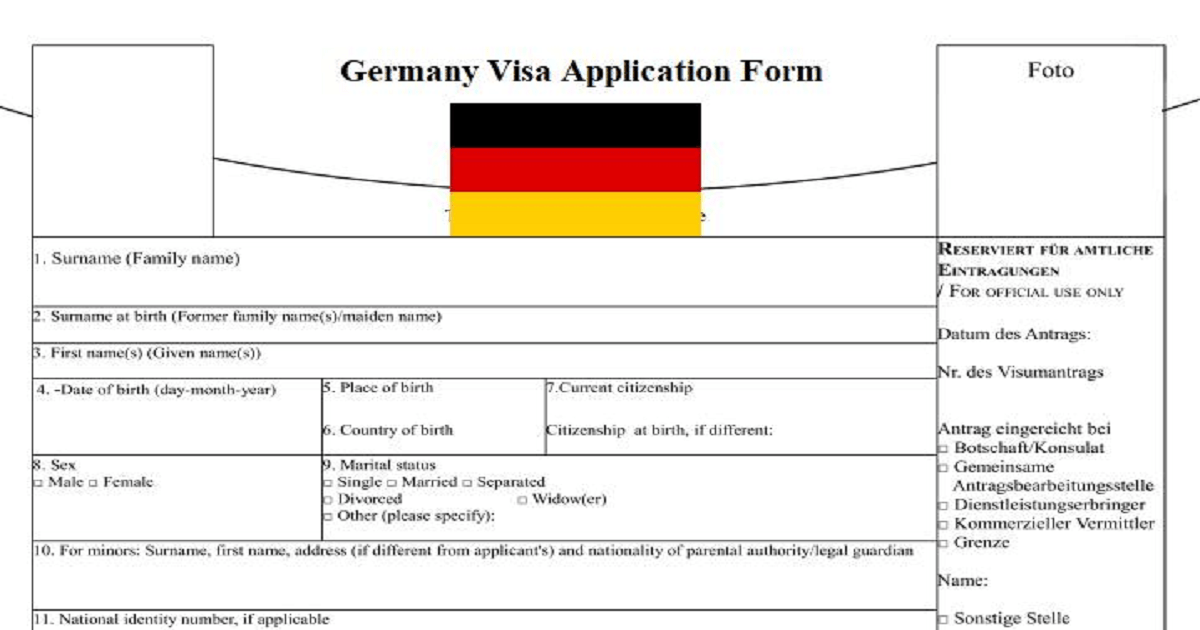

Download Application From
The process can seem daunting, filled with bureaucratic terms and numerous steps. But with the right information, it becomes a clear and manageable pathway. This comprehensive guide will walk you through everything you need to know about the German work visa—from the different types available to the final step of submitting your application.
Why Consider a German Work Visa?
Before diving into the “how,” let’s briefly touch on the “why.” Germany offers an compelling proposition for skilled workers:
Strong Economy: Home to global leaders in automotive, engineering, IT, and manufacturing.
High Demand for Skilled Workers: Fields like IT, healthcare, and engineering have tens of thousands of vacant positions.
Excellent Work-Life Balance: Germans value their free time, with generous vacation days and family-friendly policies.
Path to Permanent Residency: A work visa is often the first step toward settling permanently in Germany and eventually obtaining citizenship.
Central Location: Travel and explore the rest of Europe with ease.

Canada Free VISA Application Is Here Now
APPLY NOW
Types of German Work Visas: Which One is Right for You?
Not all work visas are the same. The German immigration system offers several pathways, depending on your qualifications, profession, and goals. Identifying the correct visa type is the foundation of a successful application.
1. The EU Blue Card (Blaue Karte EU)
The EU Blue Card is the premier visa for highly skilled professionals. It offers the fastest track to permanent residency and comes with attractive privileges.

Who it’s for: Non-EU citizens with a recognized university degree and a concrete job offer in Germany.
Key Requirements:
A German university degree or a recognized foreign degree comparable to a German one.
A job contract with a minimum gross annual salary that meets the threshold (updated annually). For 2024, the general threshold is €45,300. For occupations with a recognized skills shortage (like STEM, IT, and doctors), a lower threshold of €41,041.80 applies.
Benefits: Eligibility for permanent residency after 33 months (or just 21 months with a B1 level of German).

Norway Work Permit Visa Application Process
Apply Now
2. The Skilled Workers Visa (Fachkräfte)
This is a broad category that has been significantly expanded with the new Skilled Immigration Act, making it easier for qualified professionals to come to Germany.
Who it’s for: Skilled workers with either:
A recognized vocational training qualification (lasting at least 2 years) that is equivalent to German training.
A recognized university degree.
Key Requirements:
A concrete job offer in a field related to your qualification.
Recognition of your qualification by the relevant German authority.
For IT specialists without a formal degree, there is a specific pathway if they can prove sufficient professional experience and a job offer with a certain salary.
3. The IT Specialist Visa
A specific pathway for talented IT professionals, even without a university degree.
Who it’s for: IT specialists with at least three years of professional experience in the last seven years.
Key Requirements:
Proven IT knowledge, typically through professional experience and references.
A job offer in Germany with a minimum gross annual salary of €45,300.
German language skills at least at level B1 are recommended, though not always mandatory for the initial visa.
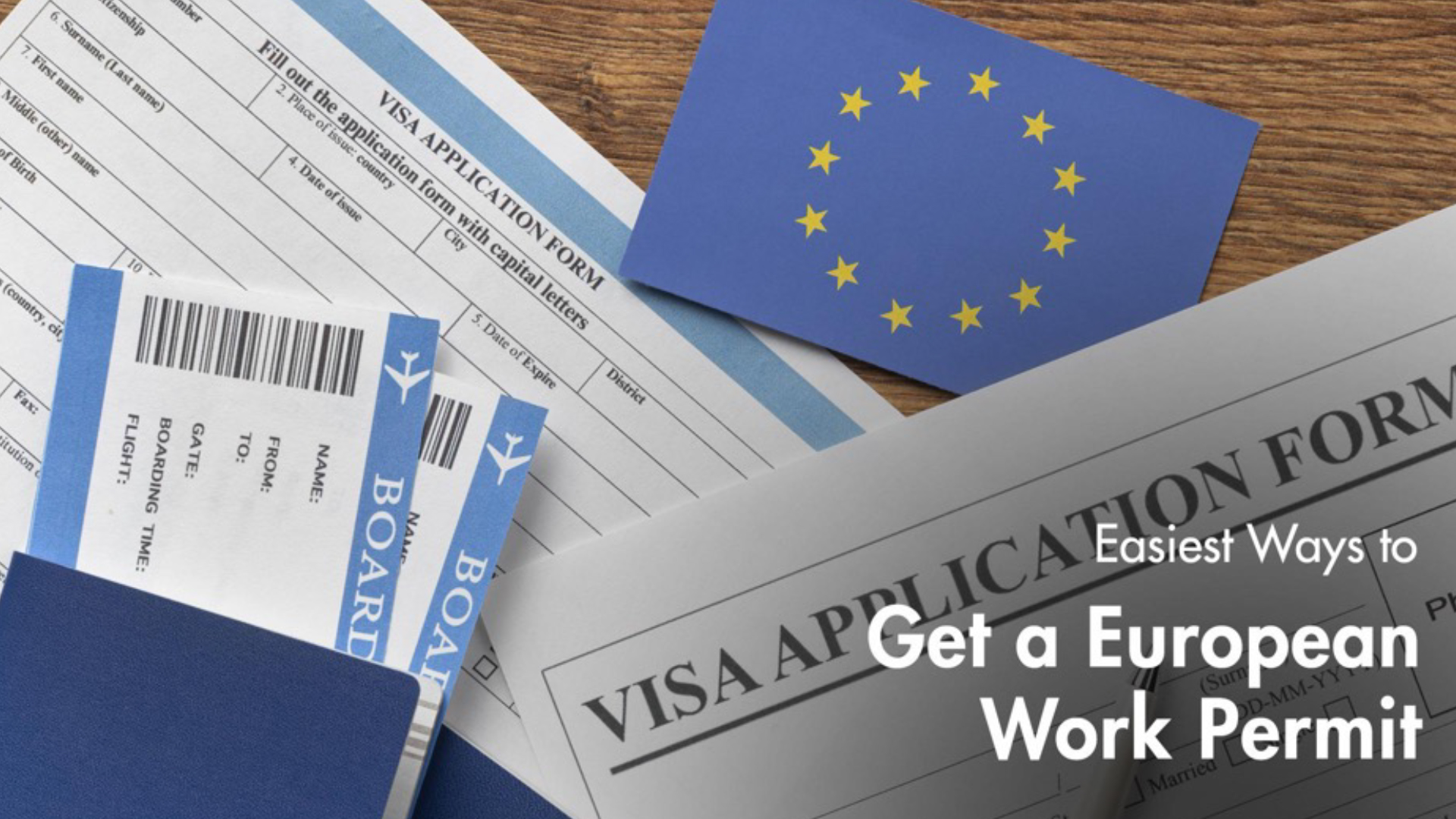

Europe Work Permit & Visa Apply Now
4. The Job Seeker Visa
This visa allows you to enter Germany to look for a job. It does not permit you to work immediately.
Who it’s for: Highly qualified individuals with a recognized university degree who want to find a job on the ground in Germany.
Key Requirements:
A recognized university degree.
Proof of sufficient funds to cover your stay (e.g., blocked account).
Valid travel health insurance.
Validity: 6 months.
Step-by-Step Guide: How to Apply for Your German Work Visa
Once you’ve identified the right visa type and secured a job offer (except for the Job Seeker Visa), follow this step-by-step process.
Step 1: Secure a Job Offer in Germany
This is the most critical step for most work visas. Use platforms like LinkedIn, StepStone, and the German Federal Employment Agency’s (Bundesagentur für Arbeit) make-it-in-germany.com portal. Your future employer will often be your biggest ally in the process.
Step 2: Check if You Need a Pre-Approval from the Federal Employment Agency (BA)
For most work visas, your potential employer must inform the Federal Employment Agency (Bundesagentur für Arbeit or BA). The BA will then check if the position could be filled by a German or EU citizen. This is known as the “priority review” (Vorrangprüfung). However, this check is waived for many visas, including the EU Blue Card and for recognized skilled workers.
Step 3: Gather Your Required Documents
Preparation is key. You will need to present a complete application package. While requirements can vary slightly by consulate and visa type, the core documents are:
National Visa Application Form: Filled out completely and signed.
Valid Passport: Must be valid for at least 3 months beyond your intended stay and have at least two blank pages.
Passport Photos: Recent, biometric (2-3 copies).
Job Offer/Contract: A signed contract from your German employer detailing your position, start date, and salary.
Recognized Qualification: Certificates of your university degree or vocational training, along with the official recognition notice from the relevant German authority (e.g., Anabin database for degrees).
Curriculum Vitae (CV): Up-to-date and in a tabular format.
Cover Letter: Explaining the purpose and duration of your stay.
Proof of Health Insurance: Valid from the day of your arrival in Germany. You can start with travel health insurance for the visa and switch to public/private insurance upon registration.
Proof of Clean Criminal Record: May be required from your home country.
Proof of Application Fee Payment: The visa fee is typically €75.
Step 4: Book an Appointment at the German Embassy/Consulate
You must apply for a national visa (D-Visum) from your home country, at the German embassy or consulate responsible for your area. Appointment slots can be in high demand, so book as early as possible. Use the German Federal Foreign Office website to find your local mission.
Step 5: Attend the Visa Interview
Arrive on time with your complete application file. The visa officer will verify your documents, ask questions about your job and intentions, and collect your biometric data (fingerprints). Be prepared, confident, and honest in your answers.
Application Link
Step 6: Wait for Visa Processing and Approval
Processing times can vary from 4 to 12 weeks, depending on the visa type, the need for BA approval, and the consulate’s workload. The EU Blue Card is often processed faster.
Step 7: Travel to Germany and Obtain Your Residence Permit
Once your visa is approved, you can travel to Germany. Remember, the national visa you receive is typically valid for 3-6 months. Upon arrival, you must complete two crucial steps:
Register Your Address (Anmeldung): Within two weeks of moving into your German apartment, you must register at the local Residents’ Registration Office (Einwohnermeldeamt).
Apply for Your Residence Permit (Aufenthaltstitel): You must convert your entry visa into a full residence permit at the local Foreigners’ Office (Ausländerbehörde). This card is your official permit to work and live in Germany for the duration of your contract, usually 1-4 years.
 Apply Link
Common Pitfalls and How to Avoid Them
Incomplete Documentation: Double-check the embassy’s website for the exact document checklist. Missing one document can lead to significant delays or rejection.
Insufficient Funds Proof: For a Job Seeker Visa, a blocked account (Sperrkonto) with adequate funds is non-negotiable.
Lack of Qualification Recognition: Start the process of getting your degree or training recognized early, as it can take several months.
Underestimating Processing Times: Plan your job start date with a significant buffer for visa processing. Do not book non-refundable flights until the visa is in your passport.
Apply Now
Final Thoughts: Your German Career Awaits
While the path to a German work visa involves several steps, it is a structured and achievable process. The key is to be thorough, patient, and proactive. Start by identifying your correct visa pathway, securing a job, and meticulously preparing your documents.
Germany is not just offering a job; it’s offering a future. With this guide, you are well-equipped to take the first confident step toward a rewarding career and life in Europe’s economic engine.